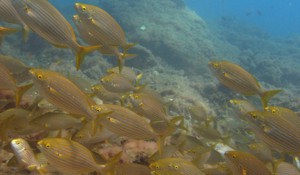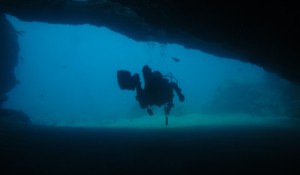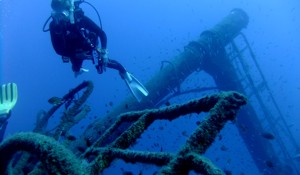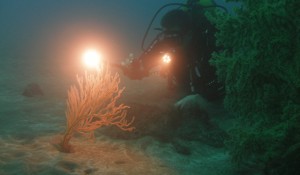
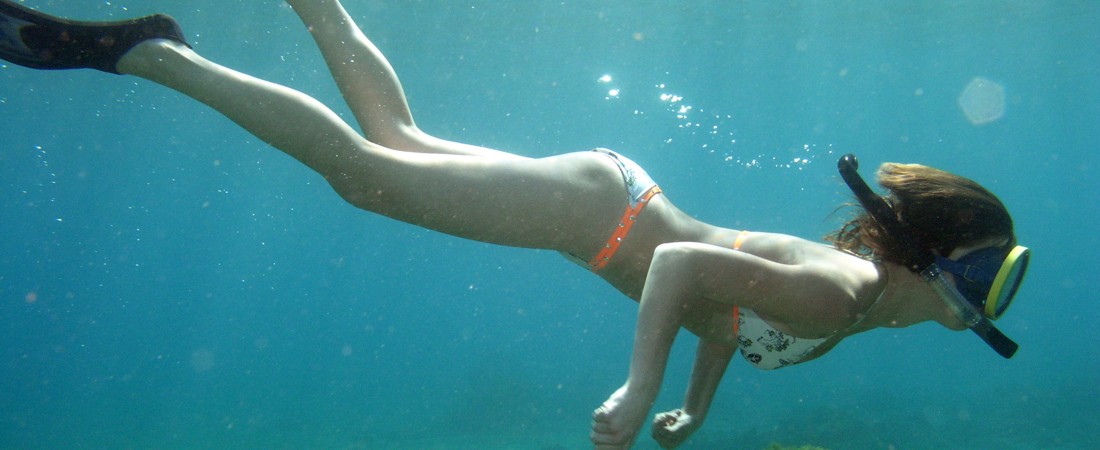

You can find here all about some of the top scuba diving and snorkelling in the Canary Islands, the most southerly diving in Europe. Here you can explore the aquatic realm of one of the best places to dive in Spain, and get some great tips for planning your scuba dives in the Canary Islands.

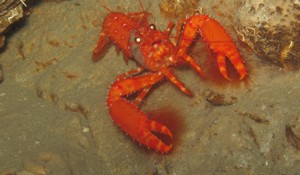
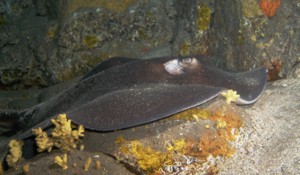
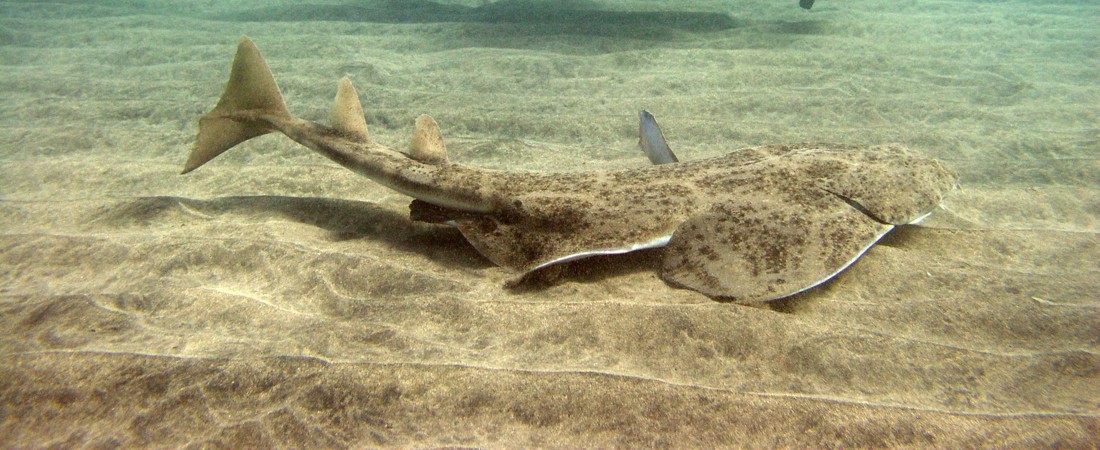
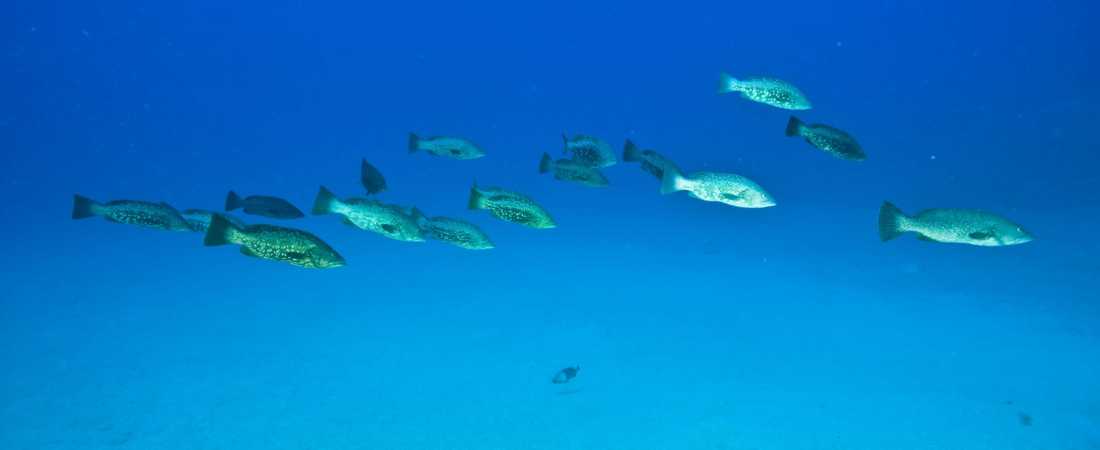
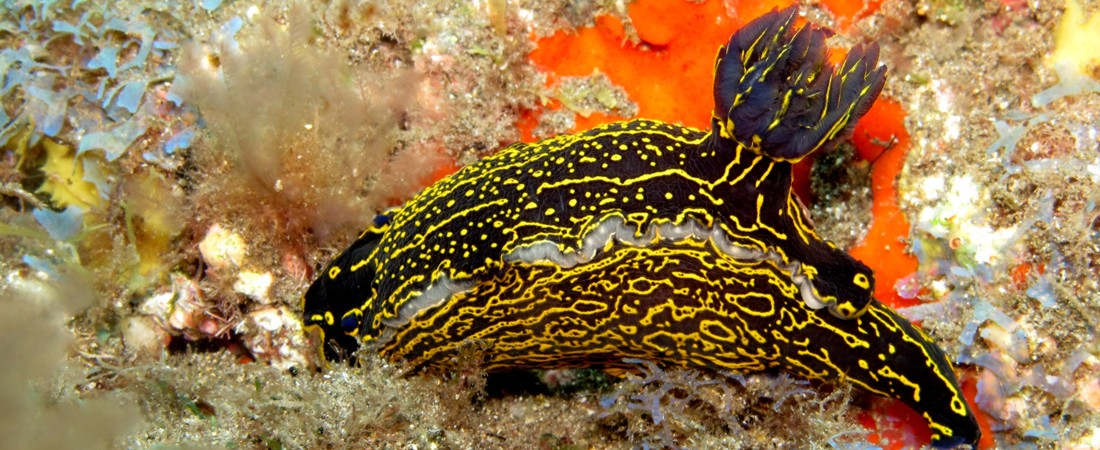
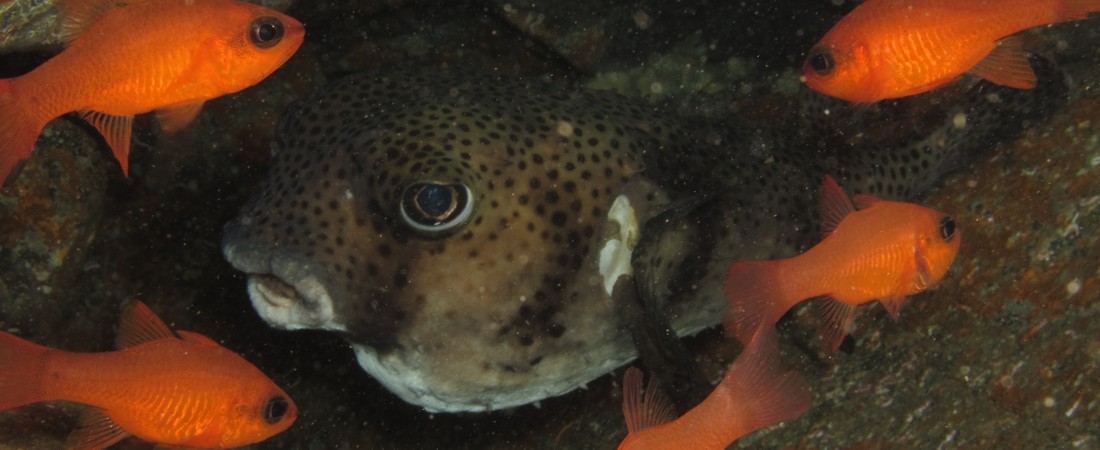
Our informative Marine Life photo library of the species includes information on the unique species found only in the Canaries, such as the Cernia Rossa, and the Canary Island lobsterette, which will give you an insight into some of the beautiful creatures that can be found here. Find out more about the big predators which always thrill, such as Angelshark and the five species of rays we find here.

Why is it listed among the world's top 100 dive sites? What makes diving in Gran Canaria so special?
In 1879 the German botanist A. Engler gave the name 'Macronesian' to the islands of the Azores, Maderia, and the Canaries because of similarities in the plant life. The name comes from the Greek (makaros, nesios) and means "the blissful islands". In 2004 UNESCO finally approve Gran Canaria as a World Biosphere Reserve signaling this Canary Island as a really special place because of its diversity - above and below sea level. There are about 15 marine species only found in the Canary Islands, and six Endangered Species (on the IUCN Red List)

Finally our fact file will fill in the gaps and answer all those common questions about diving in our sub-tropical waters, such as where to stay, what the rest of the family can do and what sort of dives you can do. You will find diving schools and dive centres accredited by PADI, CMAS, BSAC, FEDAS, SSI and other agencies in or close to all the major tourist destinations on Grand Canaria; including Las Palmas, Arinaga, Bahia Feliz, San Agustin, Playa del Ingles, Maspalomas, Meloneras, Sonneland, Pasito Blanco, Arguineguķin, Anfi del Mar, Puerto Rico, Amadores, Playa del Cura, Playa del Taurito and Mogan.